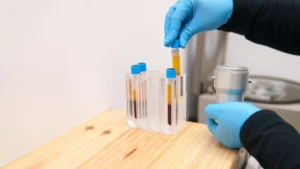

Long-term PRP effectiveness is a key concern for patients. Many people in Australia consider Platelet-Rich Plasma (PRP) therapy for their orthopaedic injuries. A common and important question concerns the long-term outlook: what research says about PRP effectiveness. PRP has gained significant popularity for its minimally invasive nature and potential benefit. Understanding the durability of its effects is crucial for setting realistic expectations and making informed decisions. This article delves into the current scientific evidence regarding the sustained benefits of PRP.
Understanding the challenge of long-term studies
Assessing the long-term effectiveness of any medical treatment, including PRP, comes with inherent challenges. Several factors can influence study outcomes. These include patient variability, differing PRP preparation protocols, varied injury types and severities, and the integration with other therapies such as physical therapy. Despite these complexities, a growing body of research is emerging. It offers valuable insights into the sustained benefits of PRP for various orthopaedic conditions.
Long-term outlook for osteoarthritis
Osteoarthritis (OA), particularly of the knee, is one of the most thoroughly studied conditions for PRP therapy. Short-to-medium term studies (up to 12 months) have reported improvements in pain and function, although results vary. Longer-term research is also emerging. Some studies indicate the benefits of PRP for knee OA can persist for 1-2 years. In some patients, they last even longer. These patients show sustained pain relief and improved joint function. It’s important to note that PRP does not regrow significant amounts of cartilage in severely degenerated joints. However, its long-term benefit appears to stem from several actions. PRP can modulate the joint environment, reduce inflammation, and potentially slow the rate of cartilage degradation. For some patients, PRP may delay the need for more invasive procedures like joint replacement surgery.
Long-term outlook for chronic tendinopathies
Chronic tendon injuries are another promising area. Examples include Achilles tendinopathy, patellar tendinopathy, and lateral epicondylitis (tennis elbow). Long-term PRP studies show positive trends here. These conditions often have a high recurrence rate or persistence of symptoms with traditional treatments. Some research suggests improvements in pain and function can be maintained in these chronic conditions, although results vary. Results vary between individuals and between studies.
Long-term outlook for ligament injuries and muscle tears
Long-term research for ligament injuries and muscle tears treated with PRP is less extensive than for OA or tendinopathies. Even so, existing studies and clinical experience are encouraging. For partial ligament tears and muscle strains, the goal of PRP is to reduce inflammation. However, the long-term effectiveness in preventing future re-injuries requires more dedicated longitudinal studies.
Factors influencing long-term effectiveness
Several factors can influence the long-term outlook: what research says about PRP effectiveness for an individual patient:
- Severity and chronicity of injury: Less severe or chronic injuries often respond better and may experience more sustained benefits.
- Patient’s overall health: Factors like age, nutrition, and comorbidities can affect the body’s capacity to recover.
- Adherence to rehabilitation: A comprehensive post-PRP rehabilitation program is crucial for strengthening the treated area and maintaining functional gains.
- PRP protocol: The specific method of PRP preparation and injection technique used by the provider can influence outcomes.
- Lifestyle factors: Avoiding activities that excessively stress the treated area can help maintain long-term results.
Are you considering PRP therapy for your specific condition? To discuss the long-term outlook and what research says about PRP effectiveness, we invite you to book an appointment with our experienced orthopaedic team.
For further reading, visit the research on long-term PRP effectiveness.