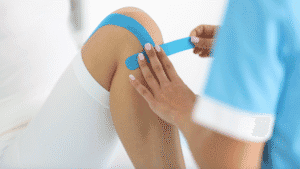

Joint instability and musculoskeletal injuries are common concerns in orthopaedics. They affect many people recovering from ligament tears, tendon strain, or degenerative conditions such as osteoarthritis. Strength training is one of the most effective ways to rebuild stability around an affected joint. Regenerative medicine approaches like platelet rich plasma (PRP) therapy can assist the body’s healing process. But long-term recovery often depends on how well you strengthen and protect the structures around your joints.
Strength training plays a critical role in building resilience, reducing re-injury risk, and supporting the success of PRP therapy. You may be recovering from PRP for knee pain or shoulder tendonitis, or simply want to protect your joints as you age. This article explains how targeted strength work contributes to joint stability.
Why Joint Stability Matters in Orthopaedic Recovery
Joint stability refers to the ability of a joint to maintain proper alignment and function during movement. When muscles, tendons, or ligaments around a joint are weak or imbalanced, instability can occur—leading to pain, stiffness or injury. For example, weak hip muscles can contribute to knee pain, while poor shoulder blade control may worsen rotator cuff symptoms.
Strength training addresses these issues by:
- Improving muscular support around joints
- Enhancing movement control and coordination
- Reducing load on passive structures like cartilage and ligaments
- Supporting PRP treatment benefits by improving joint function
Patients undergoing PRP for ligaments, tendons, or joints often benefit from strengthening exercises. These exercises can accelerate their return to daily activity and sport.
How Strength Training Supports PRP Therapy
Platelet rich plasma injections help initiate tissue repair at the cellular level. However, this biological regeneration takes time. During the healing process, it’s important to maintain joint function and prevent disuse.
Strength training offers several complementary benefits:
- Maintains muscle tone and neuromuscular control
- Improves circulation and metabolic activity around healing tissue
- Protects against further injury during recovery
- Restores postural alignment and biomechanical efficiency
Patients receiving PRP for tendons or shoulder pain may benefit from a gradual, supervised strength program. The program should adapt to their healing timeline. To explore options, you can book an appointment with a PRP doctor in Sydney to personalise your rehabilitation plan.
What Kind of Strength Training Is Best?
The right type of strength training depends on your diagnosis, current fitness level and stage of recovery. A few general principles apply across most orthopaedic conditions:
1. Start with Isometric or Low-Load Exercises
In early recovery, such as after a PRP injection, gentle muscle activation without joint movement (isometrics) is useful. It helps maintain strength without overloading tissue. Examples include quad sets, glute squeezes, or shoulder isometrics against a wall.
2. Progress to Controlled Resistance Exercises
As pain reduces and tissue heals, introduce dynamic movements using resistance bands, light weights, or bodyweight. Exercises like wall sits, step-ups, rows or bridges can strengthen key stabilisers of the hips, knees, back and shoulders.
3. Train the Whole Chain
Joint health is influenced by muscles both near and far. For instance, PRP for Achilles tendinopathy may benefit from strengthening the calves. Working the glutes and core also helps improve overall mechanics.
4. Focus on Technique and Control
Proper form matters more than intensity. Slower, controlled movements reduce the risk of re-injury and enhance neuromuscular engagement.
5. Integrate Balance and Stability Challenges
Tools like balance pads or single-leg drills activate deeper stabilisers. They also improve joint proprioception, especially after ligament tears or ankle instability.
Always follow guidance from your physiotherapist or rehab professional when progressing through a strength program.
PRP and Strength Training for Common Conditions
Here’s how combining PRP therapy with strength training benefits specific musculoskeletal issues:
- PRP for knee pain: Strengthens quads, glutes and calves to support knee alignment and absorb shock.
- PRP for hip pain: Targets gluteal muscles and core to reduce hip joint load.
- PRP for back pain: Focuses on spinal stabilisers and posture retraining.
- PRP for tennis elbow or rotator cuff injury: Restores shoulder girdle strength and scapular control.
- PRP for plantar fasciitis: Enhances foot, calf and posterior chain strength to offload pressure on the fascia.
By combining regenerative medicine Australia therapies with exercise, patients often experience more functional recovery over time.
If you’re looking to combine strength training with a regenerative approach to joint recovery, book a consultation with Dr John PRP. We work with patients from Castle Hill, Norwest, Kellyville, Baulkham Hills, Bowral, Mittagong, and across Sydney’s north-west and Southern Highlands.
For further reading, visit the Healthdirect Australia on exercise for joint health.