When recovering from orthopaedic injuries, many patients focus on physical treatments like PRP therapy, physiotherapy, and exercise. These injuries may involve a ligament tear, tendon strain, or joint degeneration. But there is another powerful influence on healing that often goes overlooked: the mind-body connection.
Chronic stress and poor sleep can have a measurable impact on recovery. They affect how your body responds to regenerative medicine and rehabilitative care. You may be receiving PRP for joints or shoulder pain, or recovering from a sports injury. In each case, attending to your mental and emotional well-being is just as important as physical interventions.
This article explores the science behind stress, sleep, and recovery. It also offers practical strategies to support your healing journey.
The Science of Stress and Tissue Healing
Stress is the body’s natural response to perceived threats. Short-term stress can be useful, mobilising energy and focus. But chronic stress—particularly emotional or psychological—triggers prolonged elevation of cortisol and other stress hormones. This can suppress the immune system, slow cellular repair, increase inflammation, and disrupt sleep.
For patients undergoing platelet rich plasma injections, this becomes especially relevant. PRP works by stimulating the body’s natural repair response using your own platelets. But if the body is under chronic physiological stress, that repair response may be less efficient.
Studies in regenerative medicine Australia have shown that elevated stress is associated with slower wound healing and reduced tissue regeneration. This doesn’t mean PRP therapy won’t work. But it does highlight the value of a holistic recovery plan that includes emotional regulation and rest.
Why Sleep Matters for Orthopaedic Recovery
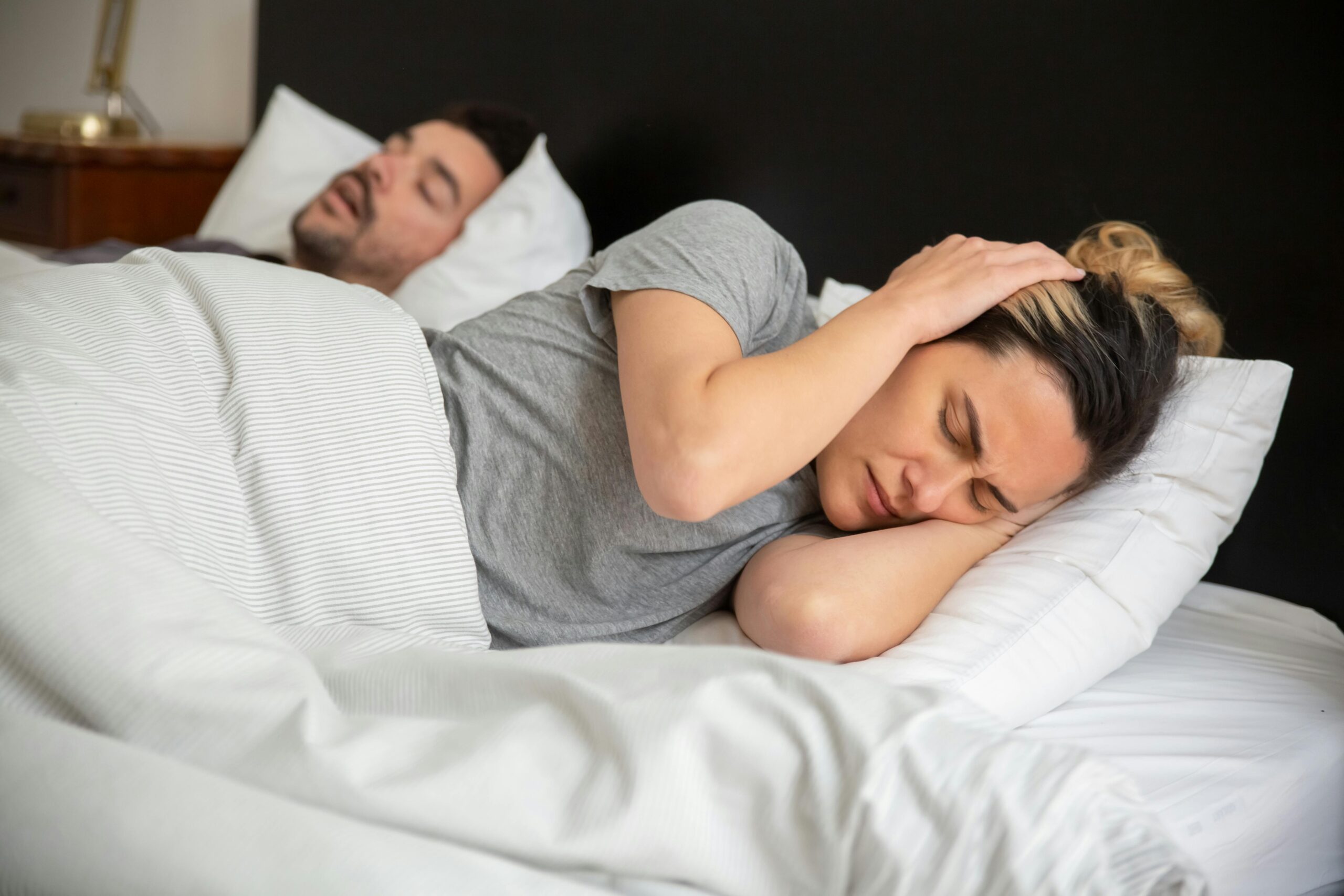
Sleep is one of the most restorative processes available to the human body. During deep sleep, the body releases growth hormone and supports collagen synthesis. It also repairs musculoskeletal tissue. All of this is vital for patients recovering from PRP treatment.
Sleep also:
- Reduces systemic inflammation
- Improves immune response
- Supports cognitive function and pain tolerance
- Enhances mood, motivation, and emotional resilience
Some patients recover from PRP for knee pain, rotator cuff injury, or plantar fasciitis. For them, disrupted sleep can worsen discomfort and slow progress. Establishing a regular, restorative sleep routine is a simple but powerful way to improve PRP success rates.
Signs Your Recovery May Be Impacted by Stress or Poor Sleep
Not all stress is obvious. You may not feel anxious but still experience internal strain that affects healing. Common indicators include:
- Difficulty falling or staying asleep
- Waking up tired despite adequate sleep time
- Mood changes, irritability, or brain fog
- Digestive issues or appetite changes
- Worsening joint or muscle discomfort without overuse
- Increased sensitivity to pain
If you notice any of these signs during PRP recovery, it may be time to explore lifestyle changes that support your nervous system.
Simple Ways to Support the Mind-Body Connection
You don’t need to overhaul your life to feel a difference. Small, consistent adjustments to your daily routine can create a more supportive healing environment.
1. Create a Wind-Down Routine Before Bed
Avoid screens for an hour before bed, reduce exposure to bright light, and do calming activities like reading, stretching, or gentle breathing exercises. Sleep quality is especially important during the tissue healing phase after PRP injections.
2. Practice Mindful Breathing or Meditation
Even five minutes a day of slow, diaphragmatic breathing or guided meditation can help. It can lower cortisol and activate the parasympathetic nervous system, your body’s “rest and repair” mode.
3. Prioritise Light Movement and Outdoor Time
Low-impact movement like walking, yoga or gentle stretching promotes circulation and reduces the physical symptoms of stress. Morning exposure to natural light also helps regulate circadian rhythms.
4. Set Boundaries to Reduce Overload
If you’re recovering from PRP for tendons or ligaments, overcommitting to work or social demands can deplete your energy and slow progress. Schedule time for rest as part of your rehab plan.
5. Seek Support When Needed
Whether through a mental health professional, supportive friend or guided journaling, acknowledging stress is an important part of managing it. Healing is not just physical; it is emotional too. To learn more about how lifestyle and regenerative therapy work together, you can book an appointment with a PRP clinic in Sydney.
Stress, poor sleep, or persistent pain can all affect your recovery. Book a consultation with Dr John PRP to discuss a holistic approach to orthopaedic healing. We see patients from Castle Hill, Norwest, Kellyville, Pennant Hills, Bowral, Mittagong, and the broader Southern Highlands region.
For further reading, visit the Healthdirect Australia on sleep and recovery.