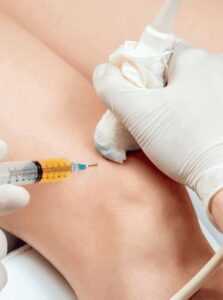

Yes — PRP therapy combines well with other orthopaedic treatments. It works best alongside physiotherapy. Your doctor can also combine it with hyaluronic acid (HA) in the same injection for joint conditions like knee osteoarthritis. Learn about our treatment options, or see the clinical evidence on combined PRP protocols.
In orthopaedic practice, PRP injections often combine with physiotherapy or other non-invasive treatments. Together, they offer a well-rounded approach to joint degeneration, soft tissue injuries, and chronic pain.
Why Combine PRP with Physiotherapy?
PRP therapy works by reducing inflammation at the cellular level through concentrated growth factors drawn from your own blood. While this biological recovery process is underway, physiotherapy helps in another way. It improves strength, mobility, and movement patterns, which support the treated area.
This combination is commonly recommended for:
- PRP for tendons and chronic tendon pain (e.g. tennis elbow, Achilles tendinopathy)
- PRP for ligaments including minor ligament tears and instability
- PRP for joints, particularly post-injection rehabilitation for knee arthritis PRP or shoulder tendonitis PRP
- Sports injury PRP, where athletes need both tissue recovery and return-to-play conditioning
Physiotherapists play a key role in guiding gradual loading of the injured tissue. They also reduce compensatory strain on surrounding areas and support a safe recovery.
Timing Matters: When to Begin Physiotherapy After PRP
Your doctor will recommend a personalised timeline based on the location and severity of your injury. In general, here’s what to expect:
- Immediate post-injection: You’ll typically rest the treated area for 24–48 hours. Light movement is encouraged, but strenuous activity should be avoided.
- First 1–2 weeks: Gentle mobility and stretching may begin, guided by your physiotherapist.
- Weeks 2–6: Progressive strengthening and loading of the treated tissue starts to build resilience.
- Beyond 6 weeks: Return to sport, work duties, or functional training is introduced based on progress and goals.
This structured approach helps reduce the risk of reinjury and supports the full benefits of PRP treatment.
What Other Therapies Can Be Combined with PRP?
Besides physiotherapy, PRP therapy can be safely integrated with:
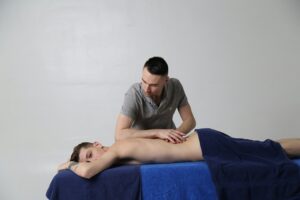
- Manual therapy – including joint mobilisation and soft tissue release techniques
- Dry needling or acupuncture – depending on the condition and practitioner’s recommendation
- Exercise therapy – tailored stretching and strengthening programs for long-term joint support
- Education and lifestyle adjustments – such as ergonomic advice or pacing strategies for chronic joint pain
Be sure to inform your care team that you’re undergoing orthopaedic PRP so they can tailor the adjunct treatments accordingly.
Dr John PRP sees patients from Castle Hill, Norwest, Baulkham Hills, Kellyville, Pennant Hills, Bowral, Mittagong, and Moss Vale. To discuss your injury or condition, book a consultation online.
For further reading, visit the Healthdirect Australia on combining PRP with other treatments.