PRP for knee arthritis is a growing treatment option. Yes — PRP injections may help with chronic knee arthritis. It works best in mild to moderate cases where the joint still has capacity to respond. Clinical evidence suggests PRP can reduce pain and improve function. Here is what the research shows and how to know if you are a suitable candidate.
What Is PRP for Knee Arthritis?
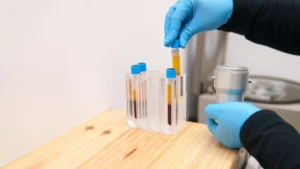
PRP therapy is a form of orthobiologic treatment. It uses the platelets and growth factors found in your own blood to reduce inflammation. A small blood sample is taken and spun in a centrifuge to separate the platelet-rich plasma. This concentrate is then injected into the affected area—in this case, your knee joint. This natural concentrate of platelets contains growth factors that may reduce inflammation in damaged tissues.
How PRP Works for Knee Arthritis
Knee arthritis, particularly osteoarthritis, is caused by the gradual breakdown of cartilage within the joint. This can lead to joint space narrowing, pain, stiffness, and reduced mobility. PRP injections target the inflammatory processes and aim to reduce inflammation within the joint.
What Does the Research Say?
Research into PRP for knee pain and arthritis is ongoing. Even so, several studies suggest PRP therapy may relieve mild to moderate osteoarthritis. Some clinical trials have reported improved function and reduced pain. It’s important to note, however, that results vary from patient to patient, and PRP is not a guaranteed solution.
What to Expect During the Procedure
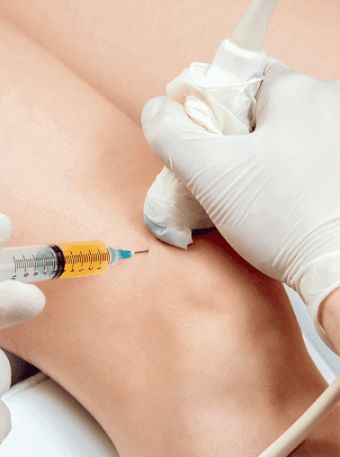
The PRP injection process is typically completed in under an hour. After your consultation, your blood will be drawn and processed on-site. Once prepared, the platelet-rich plasma is carefully injected into the knee joint under sterile conditions. The procedure is done in an outpatient setting, and most patients return home shortly after.
Is PRP Right for Me?
PRP therapy may suit patients with early to moderate knee osteoarthritis. It appeals to those seeking a natural, low-risk treatment option. For some patients it may help to delay or avoid surgery. However, PRP might not be the best fit for everyone. A proper assessment with a trained PRP doctor is essential to determine your suitability.
If you’re in Sydney’s north-west (Castle Hill, Norwest, Kellyville, Baulkham Hills, Pennant Hills) or the Southern Highlands (Bowral, Mittagong, Moss Vale) and want to know whether PRP is right for your knee, book a consultation with Dr John PRP for a thorough assessment.
For further reading, visit the research on PRP injections for knee osteoarthritis.