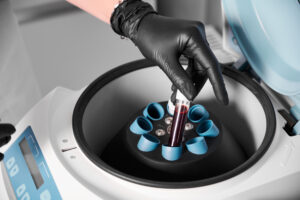
Platelet-Rich Plasma (PRP) therapy is an orthobiologic treatment prepared from your body’s own platelets. It can be used on its own, but many patients benefit from combining PRP with other therapies. Many patients in Australia seek comprehensive, integrated care for their injuries. Understanding how PRP works alongside other treatments is key to planning your recovery.
The rationale behind combination therapy
The goal of combining PRP with other therapies is to create a multi-faceted approach to recovery. PRP aims to reduce inflammation at a cellular level by delivering concentrated growth factors. However, successful recovery requires more. It means addressing biomechanical issues, restoring strength and flexibility, and supporting overall musculoskeletal health. By integrating PRP with other modalities, we aim to:
- Reduce inflammation: PRP aims to reduce inflammation, which may lead to less pain.
- Improve functional outcomes: Addressing both the cellular and mechanical aspects of an injury can improve long-term function. It can also reduce pain.
- Reduce re-injury risk: Strengthening the surrounding structures and improving movement patterns can help prevent future recurrence of the injury.
- Support recovery: Recovery involves more than an injection. It also includes proper mechanics and support.
PRP and physical therapy
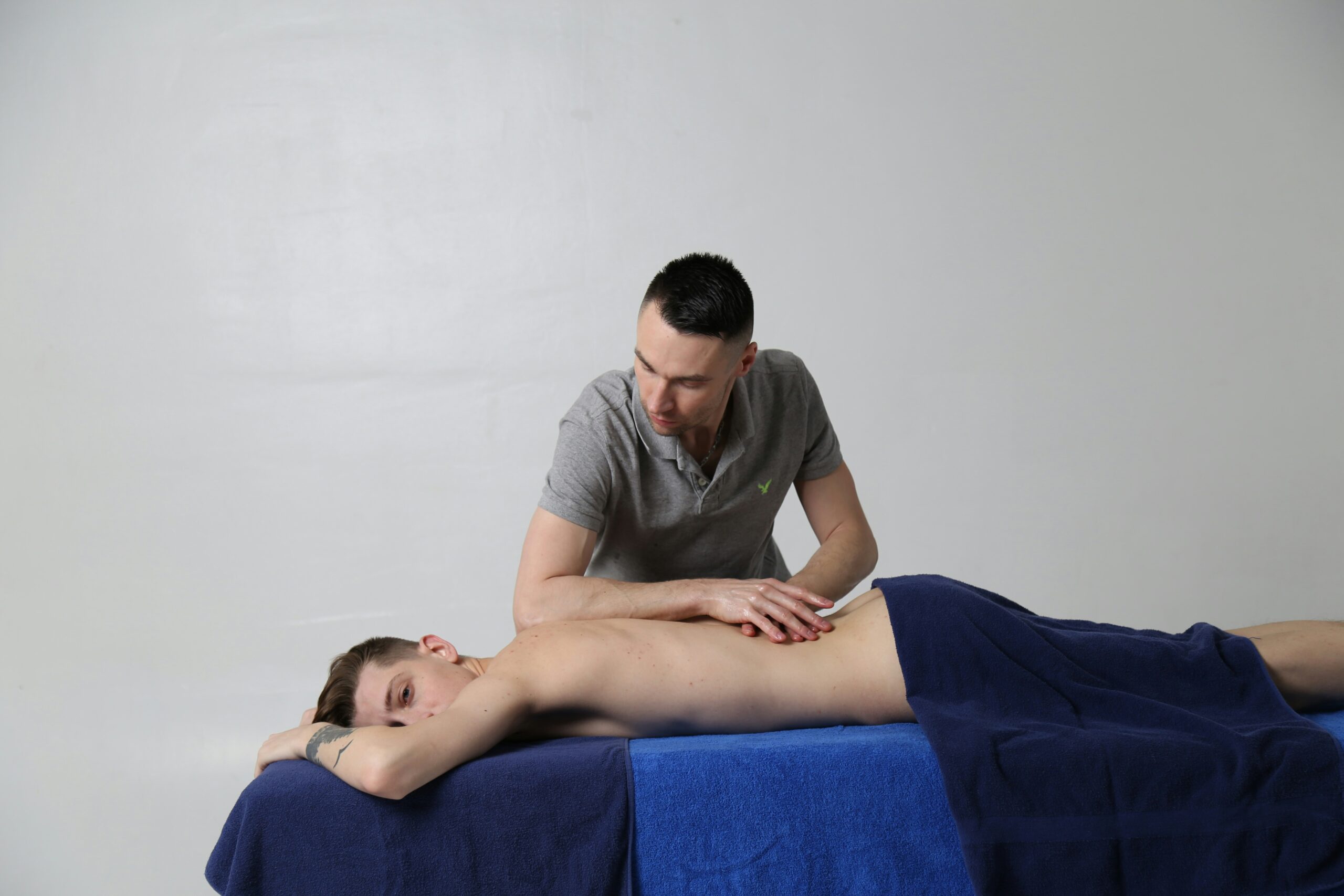
Perhaps the most common and beneficial combination is PRP therapy with physical therapy (physiotherapy). Physical therapy plays a crucial role in the rehabilitation process by:
- Restoring range of motion: Gentle exercises prevent stiffness and improve joint mobility.
- Strengthening surrounding muscles: Building strength helps support the injured area and improves stability.
- Improving proprioception and balance: Essential for preventing re-injury, especially in joint and ligament issues.
- Correcting biomechanical imbalances: Addressing underlying movement patterns that might have contributed to the injury.
Physical therapy then helps restore strength and movement in the treated area. Your doctor will often recommend a tailored physical therapy program after your PRP injection. This usually begins after an initial period of rest.
PRP and activity modification
While not a “therapy” in the traditional sense, consistent activity modification is a critical component that works hand-in-hand with PRP. Immediately after the injection, limiting certain activities helps protect the treated tissue. As recovery progresses, your doctor and physiotherapist will guide you on gradually reintroducing activities. This helps you avoid overstressing the recovering tissue. This controlled progression is vital. It gives the PRP time to work.
PRP and bracing or supportive devices
In some cases, particularly for ligament or joint instabilities, the use of braces or supportive devices can complement PRP therapy. These devices provide external support, help stabilise the injured area, and protect it during the initial recovery phases. By reducing excessive stress on the treated area, braces create a more favourable environment for PRP. This gives the treatment time to work.
PRP and nutritional support
While not always explicitly prescribed, good nutrition is fundamental to any recovery process. A diet rich in protein, key vitamins, and minerals supports recovery. Vitamin C, Vitamin D, and zinc provide the building blocks for tissue recovery. Ensuring adequate hydration also supports overall cellular function. Discuss your dietary habits with your doctor or a nutritionist. This can help optimise your body’s ability to recover and respond to PRP.
PRP in conjunction with other orthobiologic treatments
In some advanced or complex cases, PRP may be combined with other orthobiologic treatments. Examples include hyaluronic acid injections for osteoarthritis, or use alongside surgical procedures such as arthroscopy to reduce inflammation. This multi-modal approach is determined based on the specific needs of the patient and the nature of the injury.
By thoughtfully combining PRP with other therapies, we aim to provide a holistic and effective pathway to recovery. To discuss an integrated treatment plan for your orthopaedic condition, we invite you to book an appointment with our team.
For further reading, visit the Healthdirect on combining PRP with other treatments.