PRP therapy may be a non-surgical option for mild to moderate ligament tears. It suits partial tears of the ACL, MCL, or ankle ligaments, where the tissue still has capacity to respond. Complete tears causing structural instability generally still require surgery. Learn about ACL sprain treatment, or review the clinical research on PRP for ligament recovery.
Understanding Ligament Injuries
Ligaments are strong bands of connective tissue that link bones together, providing joint stability and guiding movement. A tear can occur through sudden trauma or repetitive stress, and commonly affects the knee, ankle, shoulder and wrist. Once damaged, ligaments have a relatively poor blood supply, which can limit the body’s ability to recover efficiently. This is where orthobiologic approaches like PRP therapy are gaining traction.
What Is PRP Therapy?
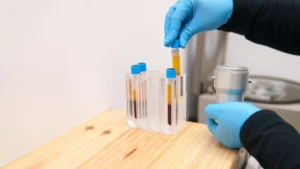
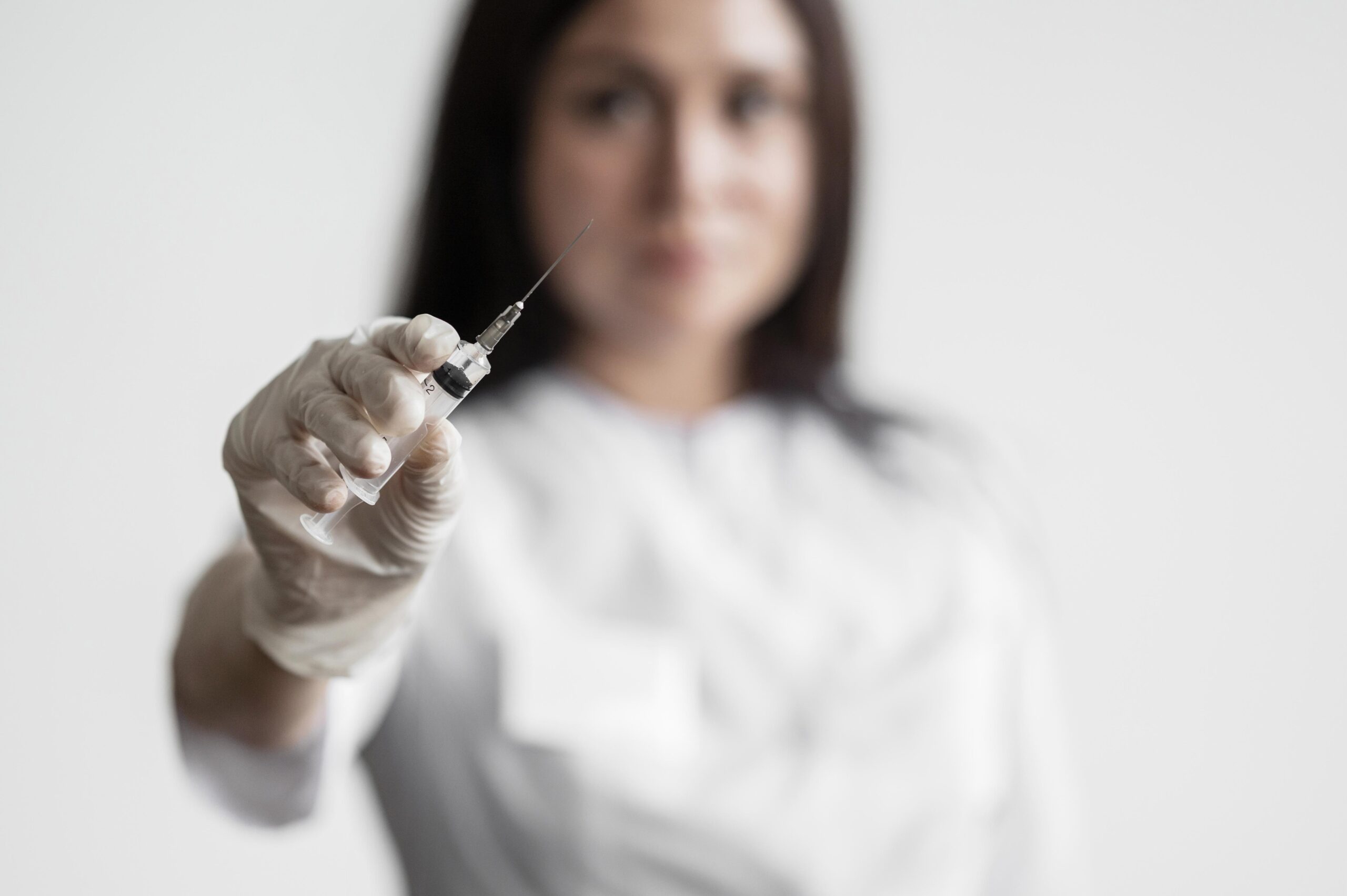
PRP therapy involves drawing a small amount of the patient’s blood. A centrifuge then spins it to concentrate the platelets. The clinician injects the platelet-rich plasma into the injury site. Platelets contain growth factors that may help reduce inflammation. For a ligament tear, the treating doctor administers PRP injections directly into the injured area. Ultrasound guidance is used for precision.
PRP for Ligament Tears: What Does the Research Say?
Recent PRP research studies suggest that PRP therapy may help reduce inflammation in mild to moderate ligament injuries. Clinicians most commonly use it for ankle sprains, ACL partial tears, and shoulder ligament injuries. Some studies have reported reduced pain and improved joint function with PRP. They also note shorter recovery times when PRP is used alongside a physiotherapy program.
Early findings are promising. However, the results of PRP therapy can vary. They depend on injury severity, patient health, and the quality of the PRP preparation. Severe, complete ligament ruptures may still require surgical repair, especially in load-bearing joints like the knee.
PRP vs. Surgery for Ligament Injuries
Surgery remains the standard treatment for complete ligament tears or those causing joint instability. It typically involves reconstructing the torn ligament with grafts, followed by months of rehabilitation. PRP treatment, by contrast, is minimally invasive, performed in-clinic, and has a shorter recovery window in many cases.
Patients with partial tears or chronic ligament sprains may consider PRP first. It can be an option before they opt for surgery. It also offers an appealing option for those who are not surgical candidates or prefer to avoid more invasive procedures.
What to Expect During PRP Treatment
If you’re considering PRP for a ligament tear, the process generally involves:
- A consultation to determine suitability for PRP therapy
- Blood draw and PRP preparation in-clinic
- Injection into the injured ligament using ultrasound guidance
- A recovery period involving rest, followed by guided rehabilitation
PRP injection recovery time may vary with the location and severity of the tear. Even so, many patients resume light activity within days and begin physiotherapy within weeks.
Patients attend Dr John PRP from across Sydney’s north-west including Castle Hill, Norwest, Kellyville, and Baulkham Hills, as well as from Bowral, Mittagong, and the broader Southern Highlands. Book a consultation today to find out whether PRP is right for you.
For further reading, visit the research on PRP as an alternative to surgery for ligament tears.