Living with joint pain can quietly affect almost every aspect of your day. It can make getting out of bed, preparing dinner, or walking around your neighbourhood harder. You may be managing a condition like knee arthritis or shoulder tendonitis, or recovering from orthopaedic PRP treatment. In each case, learning to adapt your daily activities can make a meaningful difference.
This guide explores simple modifications to movement, posture, and routine. These changes can help you reduce strain, ease discomfort, and protect healing joints and tissues.
Why Daily Habits Matter for Joint Health
When managing pain in joints or recovering from procedures like platelet-rich plasma therapy, everyday habits play a surprisingly important role. Repetitive movement patterns, poor posture, or heavy lifting can irritate joints and soft tissue, slowing the body’s natural repair mechanisms. Even seemingly minor adjustments can help protect your tissues and reduce pain flare-ups.
Patients undergoing PRP therapy for joints often ask what they can do beyond the clinic to support healing. The answer is often in the small, consistent actions you take at home or work.
Adjusting Movement for Joint Relief
If you’re dealing with knee, shoulder, hip or back pain, try these approaches to reduce pressure on affected joints:
- Take shorter steps when walking to reduce load on knees and hips
- Use both hands to carry heavier items, keeping them close to your body to protect shoulders and back
- When rising from a chair, place your feet directly under your knees and use armrests for support
- Consider stair alternatives (ramps, lifts) where available, or go slowly with handrails
- Avoid sudden twisting or pivoting movements that strain ligaments and tendons
These adaptations are especially useful for those undergoing PRP for knee, hip, or shoulder pain. In each case, the goal is to minimise unnecessary strain while healing.
Optimising Your Home and Workspace
Joint-friendly environments can reduce the risk of aggravating pain. You don’t need expensive equipment—simple changes can make a big difference.
At home:
- Store commonly used items at waist level to avoid bending or reaching
- Use supportive footwear with cushioning and arch support, especially on hard surfaces
- Place chairs with firm seats and armrests in frequently used spaces
At work:
- Adjust your chair and monitor height to support good posture
- Use a footrest if your feet don’t touch the floor
- Take breaks every 30–45 minutes to stretch or change position
These environmental adjustments help patients with PRP for back pain or shoulder tendonitis. For them, posture and repetitive stress can otherwise delay improvement.
Activity Pacing and Energy Management
Pacing is the practice of balancing activity and rest. Rather than pushing through pain, pacing encourages smarter energy use to avoid flare-ups.
Try:
- Breaking larger tasks into smaller steps with rest breaks in between
- Alternating physical and sedentary activities throughout the day
- Using timers to remind yourself to shift positions or stretch
- Planning heavier tasks for times of the day when your joints feel best
Pacing is particularly helpful with chronic conditions like osteoarthritis or Achilles tendinopathy. In these cases, overuse can lead to setbacks.
Tools and Supports for Daily Relief
Several simple tools may help reduce pressure on joints during everyday activities:
- A long-handled reacher can help pick up items without bending
- Grab bars or railings in bathrooms add safety and stability
- Cushioning mats in the kitchen or laundry can reduce joint shock
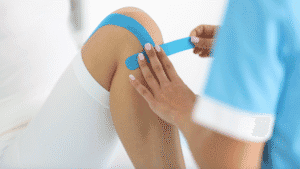
- Braces or supports may offer temporary relief—but speak with your practitioner before use
When combined with physical therapy or PRP treatment, these tools may offer extra support. They should not become a crutch that limits healthy movement. You can book an appointment to learn more about combining PRP therapy with tailored activity strategies for your condition.
If daily activities have become difficult due to joint or tendon pain, book a consultation at Dr John PRP. We see patients from Castle Hill, Norwest, Kellyville, Baulkham Hills, Pennant Hills, Bowral, Mittagong, and surrounding areas in Sydney’s north-west and the Southern Highlands.
For further reading, visit the Healthdirect Australia’s guide to managing joint pain.