PRP + hyaluronic acid (HA) is a non-surgical knee injection offered by Dr John PRP in Bowral for people across the Southern Highlands. It aims to reduce inflammation in the knee, leading to pain reduction. This guide explains what the injection is, who it is generally considered for, and what it costs.
What is PRP + HA?
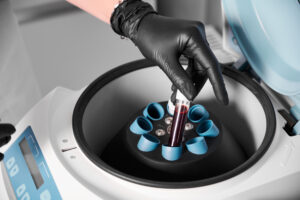
PRP (platelet-rich plasma) is prepared from a small sample of your own blood, which is spun in a centrifuge to concentrate the platelets. Hyaluronic acid is a gel-like substance that occurs naturally in joint fluid. In a PRP + HA treatment the two are combined and given as a single injection into the knee joint.
PRP + HA aims to reduce inflammation, leading to pain reduction. It is not a cure for osteoarthritis, and results vary between individuals.
Who is it generally considered for?
At Dr John PRP, PRP + HA is most often used for knee osteoarthritis. It is generally considered for people who:
- have mild to moderate knee osteoarthritis (Grades 1–3) confirmed on X-ray or MRI
- have knee pain that affects daily activities despite exercise, weight management and simple pain relief
- are looking for an alternative to cortisone, or an option that may help to avoid or delay surgery
It is not suitable for everyone. PRP + HA is generally not offered for bone-on-bone (Grade 4) arthritis, when there is an active joint infection, or for people with bleeding disorders. Suitability is assessed at your consultation.
What happens at the appointment?
- Assessment. Dr John takes a history, examines your knee and reviews your imaging.
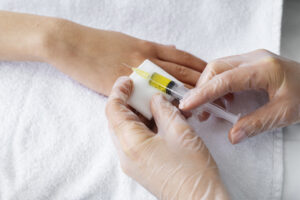
- Blood draw and preparation. About 10 ml of blood is taken from your arm and spun in a centrifuge.
- Injection. The PRP + HA is injected into the knee joint. You might feel some mild discomfort during the injection.
Most people go home straight afterwards. A course is usually 2 sessions, 4 weeks apart.
How to prepare
- Avoid anti-inflammatory medication (such as ibuprofen or Voltaren) for 3 days beforehand.
- If you take blood thinners, ask your own doctor whether it is appropriate to stop them 7 days beforehand. Do not stop any prescribed medication without medical advice.
- Drink about 1 litre of water on the day.
- Bring any scans and reports, and arrange a lift home if you think you may need one.
What to expect afterwards
- Week 1: mild swelling or warmth in the knee is common. Avoid ice and anti-inflammatory medication.
- Weeks 2–3: pain and stiffness usually begin to settle.
- Week 6 onwards: gradual return to activity, guided by your rehabilitation plan.
Improvement is usually gradual. Results vary between individuals, and some people do not improve.
Common questions
How is PRP + HA different from PRP alone?
PRP alone is most often used for tendon conditions such as tennis elbow or Achilles tendinopathy. PRP + HA is most often used inside joints, particularly the knee. Both aim to reduce inflammation, leading to pain reduction. Which one is offered depends on your diagnosis.
Do I need a referral?
Not usually. If you already have a diagnosis, such as knee osteoarthritis, you can book directly. A referral letter and your imaging reports are helpful if you have them.
Can both knees be treated?
This is discussed at your consultation, where Dr John will explain the options and the fee for your situation.
How much does PRP + HA cost in Bowral?
The initial consultation is $270. PRP + HA treatment is $750 per session, and PRP alone is $550 per session. PRP and HA injections are not covered by Medicare or private health insurance.
Booking in Bowral
Dr John consults at The Bowral Doctor, 2 Gordon Road, Bowral, and sees patients from Mittagong, Moss Vale, Berrima, Bundanoon and the wider Southern Highlands. Book an appointment online or call 02 8231 6529.
This article is general information only and is not a substitute for individual medical advice. Results vary between individuals.