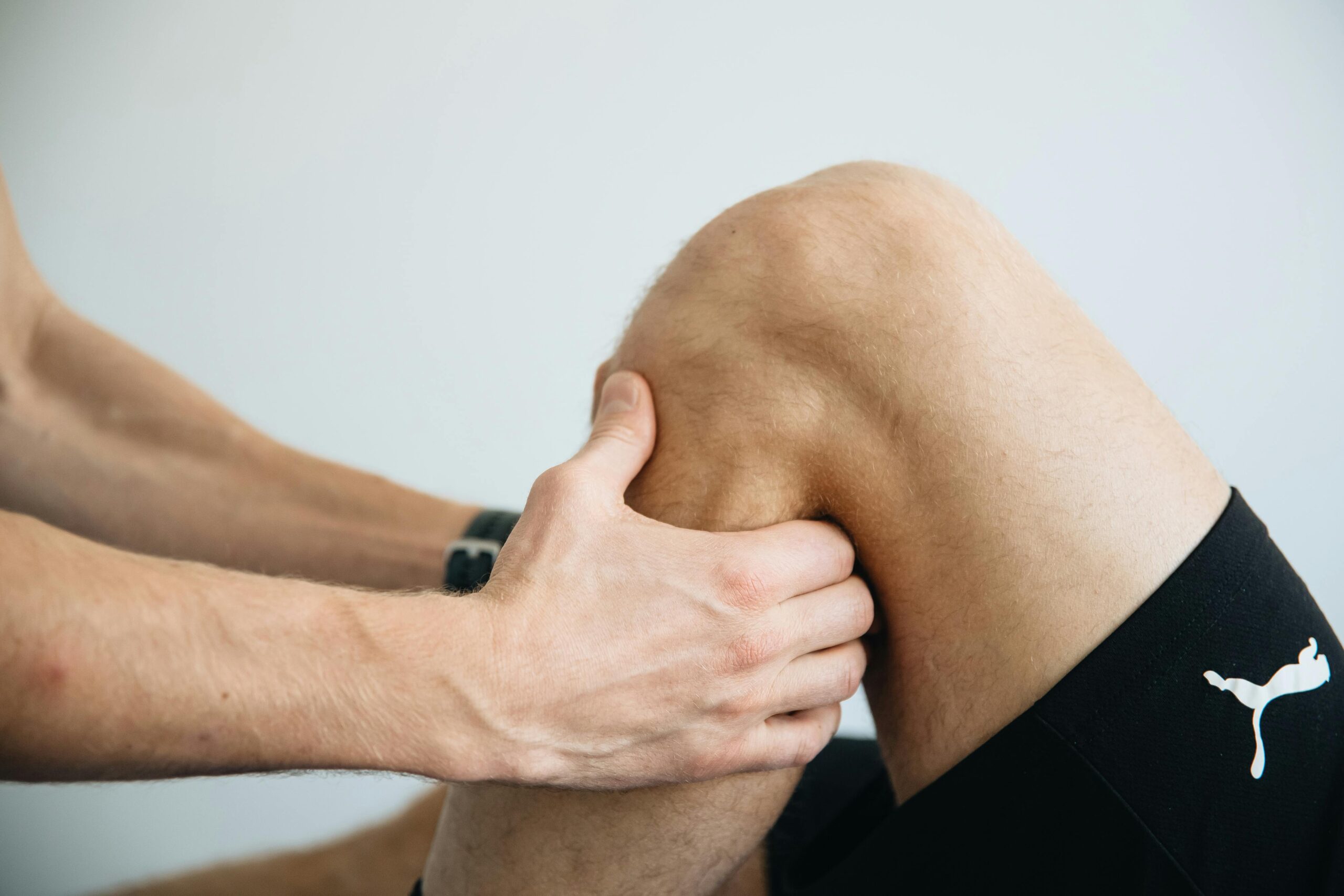
PRP is often considered for tendons and ligaments, because the limited blood supply of these tissues can slow natural recovery. By injecting concentrated growth factors directly into the affected tissue, PRP aims to reduce inflammation. Common applications include tennis elbow, Achilles tendinopathy, and partial ligament tears — see the supporting research.
This article explores how PRP for tendons and ligaments works and which conditions it may help. It also explains what to expect during recovery.
Understanding Tendon and Ligament Injuries
Tendons connect muscle to bone and transmit the force needed for movement. Ligaments connect bone to bone and help stabilise joints. Both structures are composed primarily of collagen and are vulnerable to microscopic damage from repetitive stress or acute tears. Common injuries include:
- Tendinopathy: Chronic irritation or degeneration of a tendon, often seen in the Achilles tendon, patellar tendon, or tennis elbow.
- Ligament tears: Partial or complete ruptures, such as in the anterior cruciate ligament (ACL) or ankle ligaments.
- Enthesopathy: Inflammation at the site where tendons or ligaments attach to bone.
Standard management may involve rest, physiotherapy, bracing, or surgery in severe cases. PRP therapy is increasingly explored as a middle ground. It offers a minimally invasive option that may reduce inflammation and support recovery.
What Is PRP Therapy?
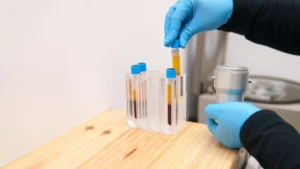
PRP therapy involves drawing a small amount of your blood. It is processed in a centrifuge to concentrate the platelets. The platelet-rich plasma is then re-injected into the injured tendon or ligament under ultrasound guidance. Platelets are rich in growth factors that help initiate and regulate tissue recovery. PRP delivers these biologically active substances precisely where they are needed.
The process is typically done in an outpatient setting and takes less than an hour. It is part of a broader field known as orthobiologic treatment. This field aims to reduce inflammation using the body’s own resources.
How Does PRP Work in Soft Tissue?
PRP for tendons and ligaments works by:
- Reducing inflammation in the affected tendon or ligament
- Encouraging angiogenesis (new blood vessel growth) to improve local circulation
- Regulating inflammation that may be contributing to chronic pain
- Recruiting cells involved in tissue remodelling
This biological environment may help reduce symptoms, reduce inflammation, and enable a gradual return to physical activity. However, response to treatment can vary between individuals and conditions.
Which Conditions May Benefit from PRP?
Several orthopaedic conditions affecting soft tissues are being studied for PRP therapy, including:
- PRP for Achilles tendinopathy
- PRP for tennis elbow (lateral epicondylitis)
- PRP for rotator cuff injury
- PRP for patellar tendinopathy (jumper’s knee)
- PRP for ligament tear in the knee, ankle or shoulder
- PRP for chronic hamstring or groin strain
While these applications show promise, PRP is not a guaranteed fix. It is often most effective as part of a structured rehabilitation program. This typically involves physiotherapy, load management, and progressive strengthening.
What to Expect After PRP Treatment
After the injection, patients may experience mild discomfort or a temporary increase in soreness. This is often a sign that the response to treatment has been activated. Most patients can resume light daily activities within 24 to 48 hours. High-impact activity should be avoided for a period recommended by the doctor.
The typical PRP recovery process includes:
- 1–3 days of rest with gradual reintroduction of movement
- A return-to-activity plan supported by physiotherapy
- Regular follow-ups to assess progress
Recovery time varies depending on the injury’s severity and individual response to treatment.
To find out whether PRP therapy is appropriate for your condition, book a consultation with Dr John PRP. We welcome patients from across Sydney’s north-west — including Castle Hill, Norwest, and Pennant Hills — and from the Southern Highlands including Bowral and Mittagong.
For further reading, visit the clinical evidence for PRP in tendon and ligament recovery.
To learn more about our approach, see PRP for tendinopathy.