
Orthopaedic PRP
PRP for Shoulder Tendonitis: A Targeted Approach to Easing Pain
PRP therapy can be an effective option for shoulder tendonitis, particularly for rotator cuff tendinopathy
PRP therapy can be an effective option for shoulder tendonitis, particularly for rotator cuff tendinopathy

Effective orthopaedic pain management often goes well beyond medication. Combining physiotherapy, activity modification, load management,

PRP therapy is an effective option for soft tissue injuries, including tendon strains, ligament sprains,

Regenerative medicine works by harnessing your body’s own biological healing mechanisms, particularly platelets and growth

PRP injections offer a regenerative approach to chronic orthopaedic pain, including joint degeneration, tendon injuries,

How long does PRP last? PRP therapy is not permanent — most patients find that

Yes — PRP therapy combines well with other orthopaedic treatments. It works best alongside physiotherapy.

A PRP injection appointment typically takes 45–60 minutes from start to finish. Your doctor draws
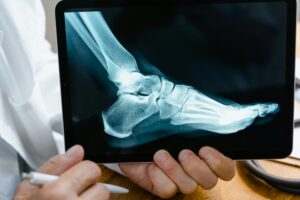
PRP therapy works best when combined with physiotherapy. PRP stimulates tissue repair at the cellular

Before your PRP injection, avoid anti-inflammatory medications such as ibuprofen or aspirin for at least
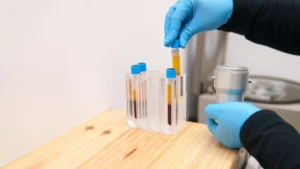
PRP, or platelet-rich plasma, is a treatment that concentrates your blood’s own growth factors. The

PRP for arthritis offers a regenerative approach to joint pain. It may reduce pain and
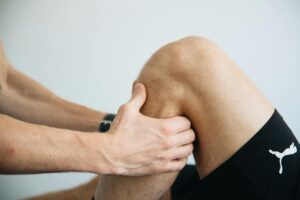
PRP for tendons and ligaments is particularly effective, because the limited blood supply of these

After PRP therapy, most patients experience mild soreness at the injection site for 2–5 days.
For most mild to moderate orthopaedic conditions, PRP therapy offers longer-term tissue repair. Traditional treatments

Yes, PRP therapy can help chronic tendon pain. It is particularly useful for conditions like

PRP therapy can accelerate healing in common sports injuries, including tendon strains, partial ligament tears,

PRP therapy is not typically permanent. Results generally last 6 to 18 months, depending on
PRP therapy treats a range of orthopaedic conditions. These include knee osteoarthritis, tendinopathy (such as
PRP therapy may be an effective non-surgical option for mild to moderate ligament tears. It