Platelet-Rich Plasma for Ligament Tears: An Alternative to Surgery?
PRP therapy may be a non-surgical option for mild to moderate ligament tears. It suits partial tears of the ACL, MCL, or ankle ligaments, where the tissue still has capacity…

PRP therapy may be a non-surgical option for mild to moderate ligament tears. It suits partial tears of the ACL, MCL, or ankle ligaments, where the tissue still has capacity…
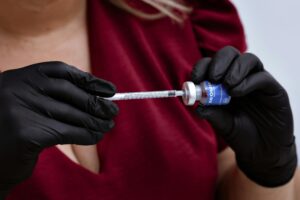
How many PRP injections will you need? Most patients need between 1 and 3 PRP injections to see meaningful results, typically spaced 4–6 weeks apart. For conditions like knee arthritis,…

You are likely a good candidate for PRP therapy if you have a mild to moderate orthopaedic injury. Examples include tendinopathy, ligament strain, or early joint arthritis. It helps most…

PRP therapy is generally considered low-risk. As a treatment derived from your own blood, it carries minimal risk of allergic reaction or systemic side effects. Most patients experience only temporary…

PRP vs Cortisone: Understanding the Difference PRP vs cortisone is a common question when joint or tendon pain becomes persistent. These are two treatment options patients frequently weigh up. These…

When it comes to managing joint and soft tissue pain, cortisone injections have long been a popular option. More recently, platelet-rich plasma (PRP) therapy has emerged as an alternative approach…
PRP vs surgery is a common dilemma for orthopaedic injuries. For mild to moderate injuries where the tissue still has capacity to respond, PRP is a minimally invasive alternative worth…
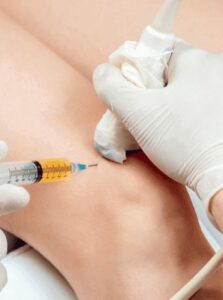
PRP for knee arthritis is a growing treatment option. Yes — PRP injections may help with chronic knee arthritis. It works best in mild to moderate cases where the joint…

Understanding PRP for knee arthritis Knee arthritis is one of the most common causes of chronic joint pain, especially among older adults and athletes. As wear and tear gradually erode…

When recovering from orthopaedic injuries, many patients focus on physical treatments like PRP therapy, physiotherapy, and exercise. These injuries may involve a ligament tear, tendon strain, or joint degeneration. But…

Joint instability and musculoskeletal injuries are common concerns in orthopaedics. They affect many people recovering from ligament tears, tendon strain, or degenerative conditions such as osteoarthritis. Strength training is one…

Living with joint pain can quietly affect almost every aspect of your day. It can make getting out of bed, preparing dinner, or walking around your neighbourhood harder. You may…

When managing orthopaedic injuries or undergoing treatments like platelet-rich plasma (PRP) therapy, many patients focus on procedures and physical therapy. However, what you eat and how well you hydrate are…

Orthopaedic PRP has become a valuable tool in modern care. Platelet rich plasma (PRP) therapy is now widely used in orthopaedic care. It especially suits patients looking for minimally invasive…

PRP therapy side effects are an important consideration before treatment. PRP therapy has gained popularity in orthopaedic care because it is prepared from your own blood. Still, it is important…

Dr John PRP: A Clinic Built on Experience and Integrity Today's world is full of fast medicine and exaggerated claims. As a result, many people with joint pain or tendon…

Long-term PRP effectiveness is a key concern for patients. Many people in Australia consider Platelet-Rich Plasma (PRP) therapy for their orthopaedic injuries. A common and important question concerns the long-term…
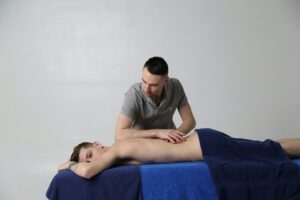
Platelet-Rich Plasma (PRP) therapy is an orthobiologic treatment prepared from your body’s own platelets. It can be used on its own, but many patients benefit from combining PRP with other…

Platelet-Rich Plasma (PRP) therapy is gaining recognition as a valuable orthobiologic treatment for orthopaedic injuries. For patients in Australia, knowing how to select a reputable and experienced provider is increasingly…